
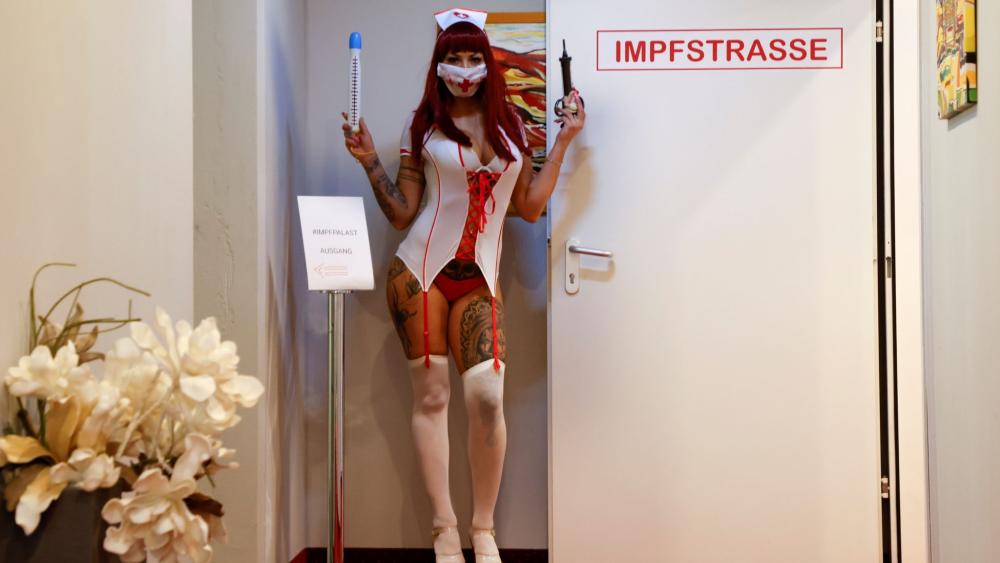
During COVID-19, the industry experienced an immediate demand shock and then a fast re-organisation. Across research and reporting, the same pattern appears: reduced in-person work, financial instability, and a rapid shift toward online spaces (content, video, digital platforms) to keep demand moving.
What actually changed
Less spontaneity, more framed bookings. Less “random night”, more clean logistics.
And a strong digital shift — documented in studies and reporting on sex work markets during the period.
A market that changed shape
Bookings became more schedule-driven, cancellations became common, and both sides paid more attention to reliability. Research highlights how markets reorganised under restrictions and how online spaces absorbed a growing share of activity.
Digital didn’t replace everything — it absorbed demand
What grew fast was “the meeting before the meeting”: private content, video calls, and more regular digital communication. Reuters described this shift during lockdowns as sex workers moved online.
What clients looked for
Less theatre, more clarity. Many wanted short, clear exchanges and a sense of control in an uncertain moment. A downside mentioned in analysis was increased pressure and, in some contexts, more scrutiny of online activity.

To stay in this period


How do we interact with the escorts during this period?
Habits changed: more planning, more digital.
Read more →
Online prostitution: the right solution for COVID-19
How digital absorbed demand and reshaped the market.
Read more →